husband, father,Architect and Developer.
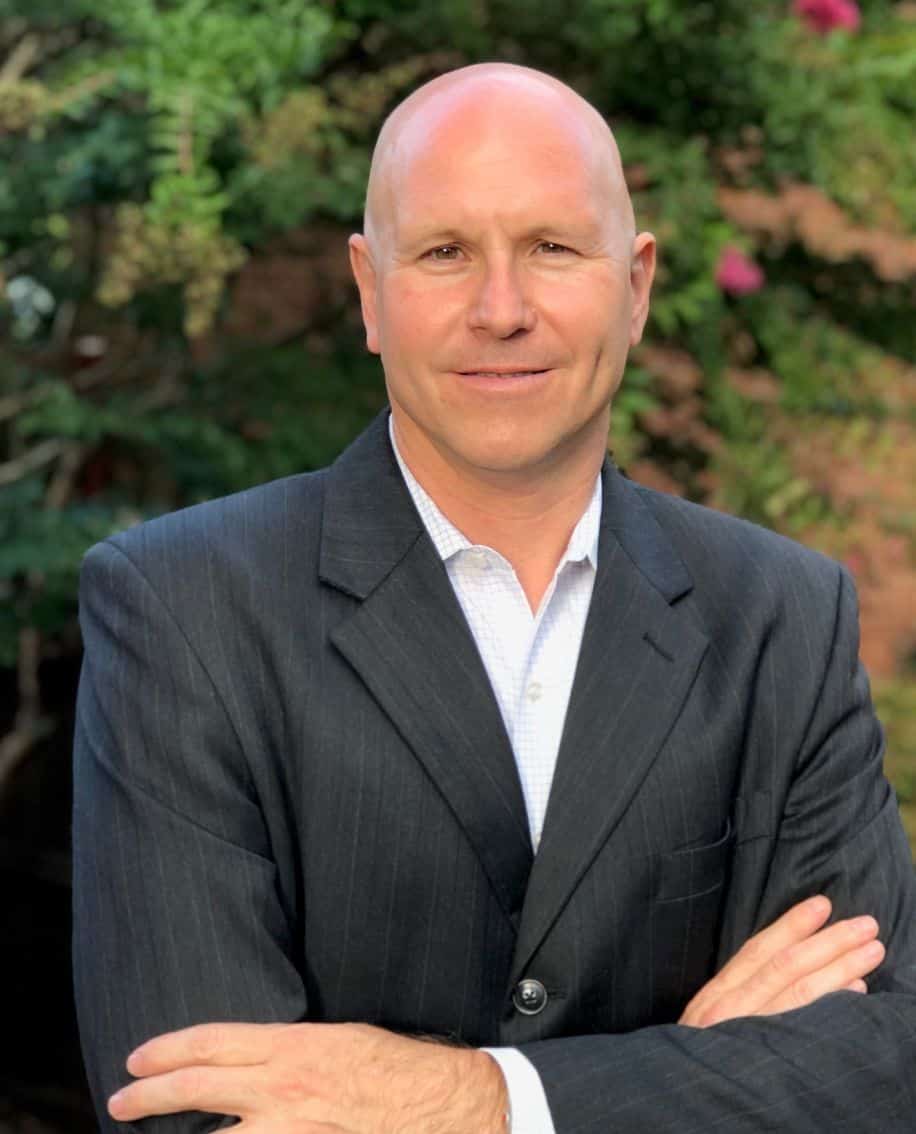
Bob Elliott
Currently overseeing a 540-acre real estate portfolio across the DMV, including 204 acres in Clarksburg and an 8.6 MW solar array in Oxon Hill.
the toggle is a door. there are more.
Currently
What I'm building.
Two parcels and a power plant. Two more under development.
- Comsat / Clarksburg Gateway The 1969 Cesar Pelli laboratories are coming down. The land is what comes after.
- 255 Rockville Pike A redevelopment close to home, transforming a piece of Rockville Town Center.
- Spectrum Solar A real-estate developer with a small power plant.
- Two parcels in Frederick County: Lake Linganore and Middletown — also under development.
The Work
Projects, paintings, and field notes.
Three indexes. Thirty-plus years of building. One painting on public view, with more in studio. A running log.
- Projects
- Buildings, parcels, and communities — drawn, financed, entitled, and built across the DMV and beyond.
- Paintings
- On canvas and panel, including Red Line in the Bethesda Metro tunnel since 2012.
- Field Notes
- Short essays from the work.
- Travel Log
- Photos and videos from some of the cool places I’ve visited — sixty countries and all fifty states.
Recent
What's happened lately.
- 2026-04-13 Day zero at Comsat
- 2026-05-07 The site is up
- 2023-11-15 Battle of the Bids, Round 3
- 2023-11-01 Business Advocate of the Year
- 2021-08-02 Shady Grove sells to BXP
Featured
Where the work has shown up.
Selected awards, press, and recognition from the last few years. Older items live on the project sheets where their dates are part of the story.
-
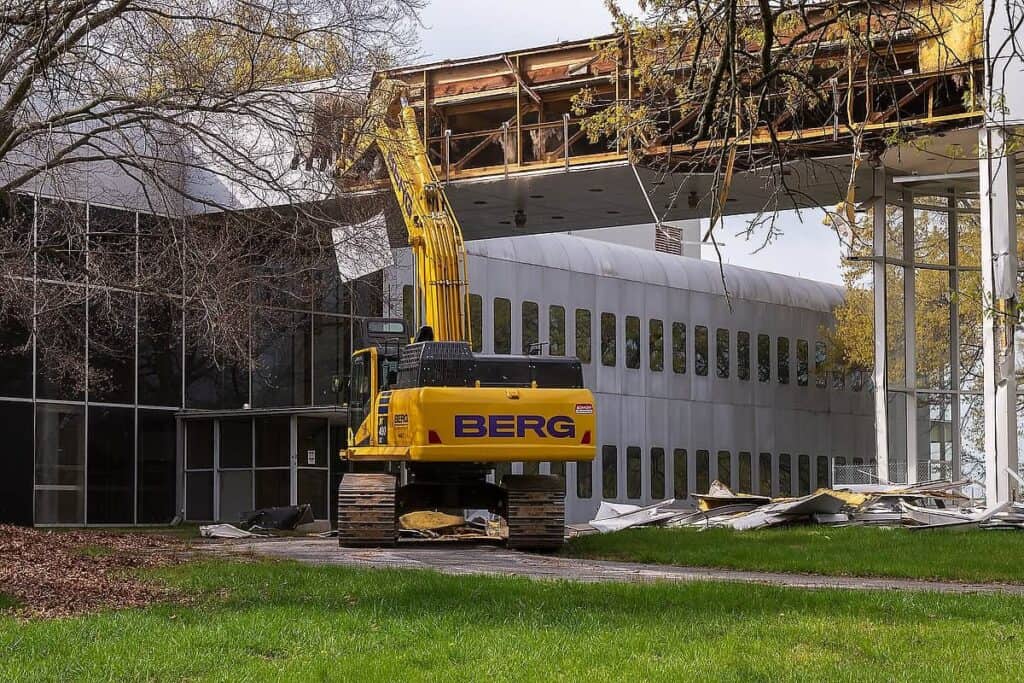
Bethesda Magazine Apr 2026
Demolition begins at the former COMSAT Laboratories
204 acres in Clarksburg. Cesar Pelli's 1969 design comes down to make way for what's next.
-
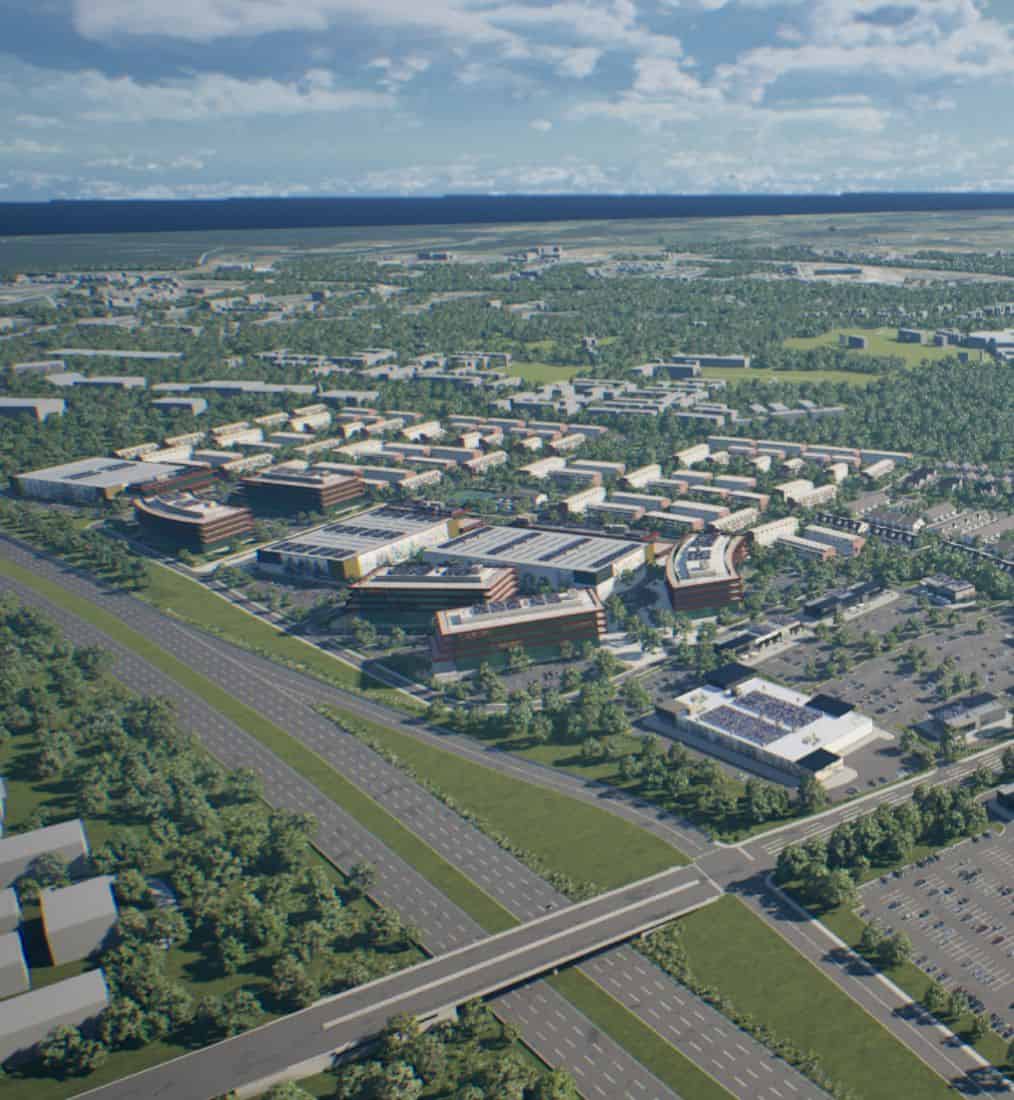
Washington Business Journal Apr 2026
Clarksburg Gateway sector plan advances
Mixed-use redevelopment of the 204-acre COMSAT site. Planning, entitlement, and demolition underway.
-
Montgomery County Chamber of Commerce 2023
Business Advocate of the Year
Recognized for advocacy on land use, transit, and housing policy in Montgomery County.
-
CoStar / Ten-X · Battle of the Bids 2023
Round 3 winner
First investor to win the top prize in either season of the live auction-and-underwriting competition. $100,000 grand prize.
-
Washington Business Journal 2021
Shady Grove Bio+Tech Campus sells to BXP for $116.5M
31 acres, 435,000 GSF across seven buildings in Rockville. Real Estate Deal of the Year nominee.
-
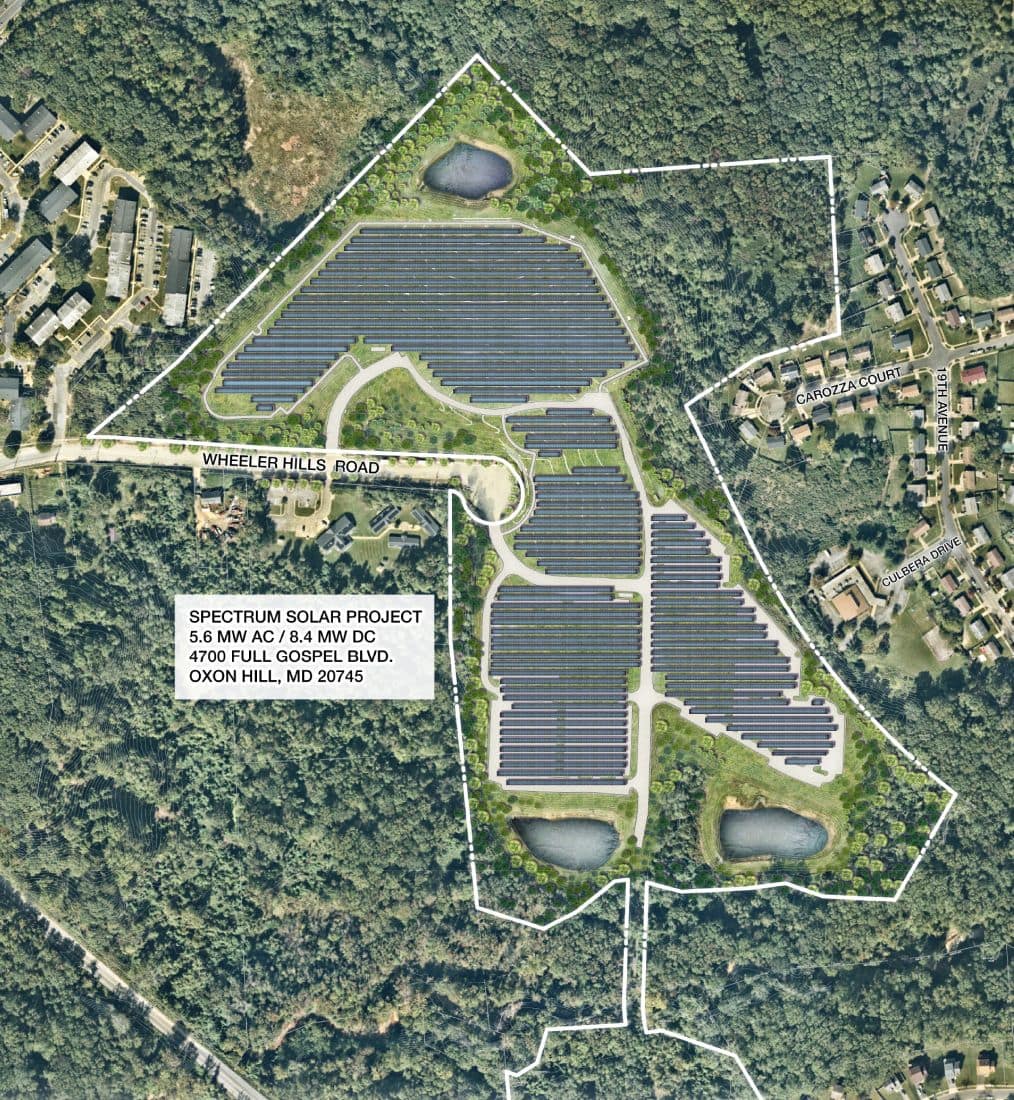
Spectrum Solar · River Falls Operating
8.6 MW DC ground-mounted array, Oxon Hill
Atypical for a real estate developer. The other side of the portfolio runs every day.
About
I build buildings, shape communities, paint paintings, and travel to learn.
Bob Elliott is a native Washingtonian. He was trained as an architect at Rice University and at Murphy/Jahn in Chicago, then pivoted to development through Wharton's MBA program. He spent two years in London at BuildOnline and UrbanCapital, returned to Washington, and worked at JBG, Clark Enterprises, and Washington REIT through the 2000s and into the mid-2010s. Since 2016 he has led River Falls Investments (formerly Lantian Development) — a privately-held firm with a 540-acre portfolio across the DMV.
Some of the work that forms the local public record includes the U.S. Department of Transportation Headquarters at 1200 New Jersey Avenue SE, the McDermott Will & Emery anchor lease at 500 North Capitol, the Silverline Center re-skin in Tysons Corner, the 2021 sale of the Shady Grove Bio+Tech Campus to BXP, and the transformation of 255 Rockville Pike in Rockville Town Center, close to home. The current focus is 22300 Comsat Drive — 204 acres in Clarksburg where Cesar Pelli's 1969 COMSAT Laboratories has just begun coming down — and an 8.6-megawatt solar array in Oxon Hill. The record is partial; not all of the work has been local, and not all of it is on this page yet.
At the scales these parcels tend to land — 75, 100, 200, even 540 acres — they aren't just buildings. They are communities, infrastructure, mixed-use places that shape how people live, work, and move. The architecture training underwrites all of it: every parcel begins as a question about how it could be drawn before it becomes how it gets financed, entitled, and built.
Painting is the other side of that brain — the creative outlet that runs in parallel. Red Line, a four-by-eight-foot panel, has hung in the Bethesda Metro pedestrian tunnel since 2012; more sit in studio. He has served on the VisArts board since 2016. He has been to sixty countries and all fifty states, and tries to bring something back from each — the conviction that travel is its own form of urbanist apprenticeship runs through the rest. The site you are looking at is part of that — a layered artifact, each overlay drawn on top of the last.